
Calls For New Kilrea Bridge After Closure Caused ‘Significant’ Disruption
Sep 01, 2026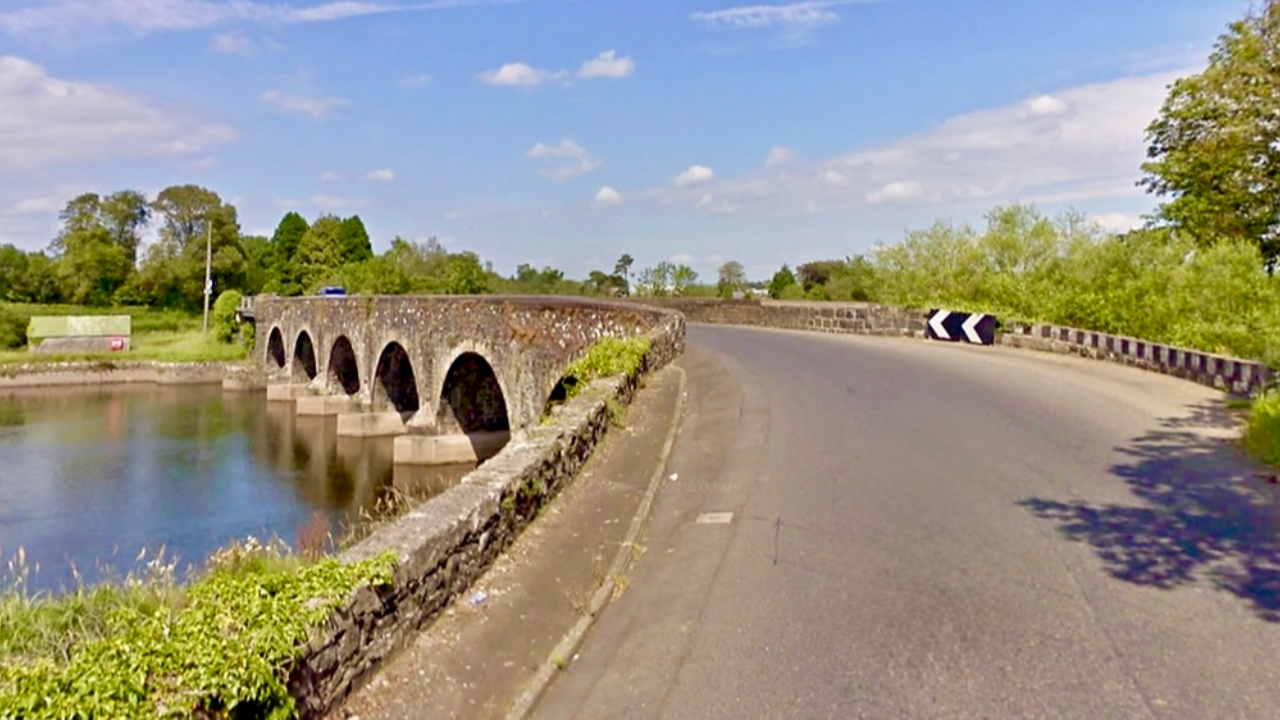
A new crossing over the River Bann at Kilrea is needed to protect businesses, emergency services and communities from further disruption, councillors have been told.
Representatives supporting the proposal said the closure and subsequent restrictions on the historic Kilrea Bridge had demonstrated the risks of relying on the 18th-century structure as a key transport route.
Glyn Roberts, chief executive of Retail NI, and Kenny Bradley addressed Causeway Coast and Glens Borough Council this evening during a deputation, calling for work to begin on planning a long-term replacement crossing.
Mr Roberts said businesses in Kilrea had received limited support following the closure of the bridge and argued that lessons needed to be learned from the disruption.
He said Kilrea traders had found themselves in a situation where responsibility was effectively passed between government departments because of the village’s status.
Mr Roberts compared the situation with support provided to traders in the Sandy Row area of Belfast during disruption associated with the Grand Central Station development.
He said the experience highlighted a wider issue surrounding the support available to villages during major infrastructure problems.
The representatives are now seeking support for a new Lower Bann Valley crossing at Kilrea, with the council being urged to include the proposal within its long-term development planning.
Mr Roberts acknowledged that delivering a new bridge could take decades, but said the process needed to begin now.
He suggested potential funding routes could include a future Department for Infrastructure capital programme or the Shared Island Fund.
Bridge ‘not designed for modern traffic’
Kilrea Bridge was constructed in 1783 and is a listed structure.
Councillors were told it was already around 120 years old when the first motor cars arrived in Ireland and was never designed for the volume or weight of modern traffic.
The bridge provides an important east-west connection between counties Londonderry and Antrim and is used by people travelling for work, education, healthcare and other services.
It is also an important route for agriculture, manufacturing, haulage and emergency services.
The presentation said the structural problems experienced in 2025 demonstrated that the bridge represented a “single point of failure” within the wider road network.
Following its closure, the bridge eventually reopened subject to restrictions including a three-tonne weight limit and a maximum vehicle width of two-and-a-half metres.
Emergency stabilisation work has since been carried out.
The representatives argued that repeated spending on emergency repairs offered poor long-term value when compared with investment in more resilient infrastructure.
Emergency services concerns
Particular concerns were raised about the impact of the bridge restrictions on emergency response times.
Councillors were told diversions could add up to 18 miles to journeys and as much as 25 minutes to ambulance and fire service response times.
The presentation said modern fire appliances and tankers could also exceed weight restrictions imposed on the bridge during periods when its condition was considered fragile.
Kilrea Fire Station, councillors were told, had been unable to attend some emergencies in areas including Rasharkin, Finvoy and Dunloy during restriction periods, placing additional pressure on other fire stations.
Concerns were also raised about pedestrian safety, with the bridge having no dedicated footpath.
Traders report losses
Businesses were among those significantly affected by the closure.
Evidence presented to councillors suggested some Kilrea traders reported losing between 30% and 50% of their turnover during the 2025 closure.
Agriculture, manufacturing, quarrying and haulage businesses were also said to have faced additional fuel and labour costs because of longer journeys.
The disruption also affected people accessing healthcare, schools and other services.
Kilrea and Rasharkin health centres are normally around eight minutes apart, but councillors were told diversions increased some journeys to around 30 minutes.
School transport was also affected, with delays adding hours to some pupils’ weekly travel times.
New school adds to infrastructure concerns
The proposed redevelopment of St Conor’s College was also highlighted as another reason for addressing the area’s transport infrastructure.
The planned development on Bann Road is expected to accommodate more than 730 pupils from both counties.
Councillors were told the educational investment could be worth between £17m and £30m.
Mr Bradley said hundreds of pupils, parents and staff would depend on the surrounding road network every school day, alongside buses, deliveries and emergency services.
He argued it would be difficult to justify investing millions of pounds in new educational facilities without addressing the transport infrastructure required to access them.
Historic bridge could be protected
Those supporting a new crossing said the proposal would not necessarily mean abandoning the existing bridge.
Instead, they argued that removing modern traffic pressures could help protect the historic structure.
Repeated vibration, heavy traffic and emergency repair work were said to be contributing to its deterioration, while its listed status limits the options available for major strengthening works.
A second crossing could potentially allow the existing bridge to be repurposed while maintaining its heritage value.
Climate concerns were also raised.
The presentation said restrictions had resulted in lengthy diversions, increasing fuel use and carbon emissions, particularly among HGVs serving local agriculture, manufacturing and quarrying businesses.
‘Process needs to start now’
Causeway Coast and Glens Borough Council previously backed a cross-party motion supporting an additional bridge at Kilrea and its inclusion within longer-term development plans.
Those addressing councillors said the experience of 2025 and 2026 showed that emergency repairs could no longer be regarded as a sufficient long-term strategy.
Mr Bradley concluded that continued reliance on the existing bridge risked further closures, increasing costs and further disruption.
“We cannot protect 18th-century heritage or a 21st-century economy with emergency repairs alone,” he told councillors.
The representatives said a new Lower Bann crossing at Kilrea should now be assessed and planned as a permanent solution.
Stay connected with news and updates!
Join our mailing list to receive the latest news and updates from our team.
Don't worry, your information will not be shared.
We hate SPAM. We will never sell your information, for any reason.